Why Do You Need Enterprise Workflow Automation?

An enterprise automation workflow system is necessary because it consistently delivers a good customer experience when delivering finished work, both externally and internally.

By ensuring that all defined work information and connections are either completed within the platform or by recording work assignments, automation workflow management software can help businesses reduce their dependency on other connections and monitoring technologies.

Enterprise Automation Workflow

Workflow automation ensures that tasks, documentation, and data meet the desired business requirements as they move through work-based standards. When done successfully, this type of automation should be a quick procedure carried out frequently to increase everyday production.
There are many cases of enterprise workflow automation, from scheduling office tasks to following a checklist. Because this method involves planning, devotion, and focus on finishing duties, businesses that employ enterprise workflow management techniques and corporate workflow automation in sales, marketing, and HR surely benefit.

An advantage of automation is that, according to 73% of IT leaders, workers are conserving between 10% and 50% of the time they spend on manual tasks.

Building an effective and efficient workflow will require a few essential elements. You must first comprehend the information and resources needed for each process stage. The second step is to design an algorithm that software or people will see as the standard.

Last but not least, identify a result that validates the effort, time, and data put into the process. These business automation workflow elements are important. Therefore, you should set them up carefully because wrong calculations lead to inaccurate results.

Why Do You Need Enterprise Workflow Automation?

Management, uniformity, and regularity are important for organizations since they deal with complicated workflows and interrelated processes. Automating repetitive operations, filling communication gaps, and removing time-consuming reworking are ways to achieve this.

However, there are still more advantages to enterprise workflow automation. Other additional advantages of business workflow automation are as follows:

  • It makes hectic processes simpler.
  • Uses real-time information obtained through reports and dashboards to guide business decisions.
  • Strengthens connections with clients and suppliers.
  • Develops workflow and process cycles that are quicker and more effective.
  • Uses agile automation and process optimization to make it simpler to keep up with opponents and market changes.
  • Reduces waste and dangers brought on by time spent on manual data processing and repeated procedures.
  • Increases business operations’ awareness, making it simpler to spot limitations, blockages, and possibilities.
  • Increases accountability by giving teams the freedom to own procedures and feel invested in the company’s success.

Workflow Automation Examples

Any group and company environment can implement workflow automation in operations, customer service, human resources, and financial management. It is most frequently connected with sales and marketing.
The following are some methods for implementing workflow automation among operations:

Sales: According to 75% of companies, automated landing pages may produce quality leads. It can automate time-consuming systems and procedures, relieving sales representatives from data entry to concentrate on selling products. In addition to moving leads using standard technologies, you can automate processes based on how well they work. You can add new leads through a marketing automation workflow when managing campaigns and upgrading different deal implementations.

Marketing: Over 80% of marketing firms automate various marketing operations, including sending business emails and posting updates on different social media accounts. Using marketing automation software, you can schedule your whole social media calendar and control the workflow marketing automation that develops particular clients with special reminders.

Finance: Financial companies with complicated workflows and strict file security procedures include investment services, wealth management, mortgage lenders, and brokerage businesses. By enabling you to establish workflows, develop forms, and keep track of processes, finance process automation software can help you streamline all such operations, refunds, and budget clearances.

Human Resources: It might be time-consuming to manually input your new employee’s data, including employee information, address, and specifics. But HR automation software can finish the job in a short time. 70% of business executives think automation technology may make their employees more productive.

IT: For internal core networks, workflow marketing automation helps group network users from many departments, including finance, sales, administrative, and operational teams. 62% of businesses use AI to assist their IT operations, 54% to improve the effectiveness of their business processes, 48% to support their production operations, and 49% to help their research and innovation.

Conclusion

For businesses to expand and develop without allowing something to fall between the gaps, workflow business automation is important. You can grow your firm without experiencing rough spots by allowing automation to carry out manual work.

Frequently Asked Questions

What is enterprise workflow automation?

Large enterprises are managed by numerous processes defined by an enterprise workflow. However, it relates to the prescribed procedures an organization must follow.

What is enterprise workflow management?

Enterprise workflow management enables businesses to recognize, record, examine, and improve all workflows during regular business operations.

What is workflow automation?

Workflow automation is a strategy for enabling the independent performance of tasks, documents, and data throughout work-related operations in compliance with established business standards.

What is an example of workflow automation?

By generating email to-do lists, workflow automation can support Task management. For instance, if anyone sends you an email on Gmail, it may instantly convert the email into an activity in Basecamp.

What is the difference between RPA and workflow automation?

RPA has a broad reach in that it can automate complete workflows from start to end. Workflow automation automates specific tasks in business operations or workflow.

Why is workflow automation important?

Workflow automation enables rapid incident response, improving the procedure’s effectiveness, human resources, and numerous HR procedures, like reviewing time sheets, enrolling and redeployment workers, and handling personnel changes, which are made easier by automation.

Learn more about SharePoint Document Management System

Streamlining Productivity: The Power of Document Workflow Automation

Growing paperwork is overwhelming enterprises. Digitization alone cannot fix inefficient document processes like contract approvals and client file reviews. Structured document automation workflows that systematize routing rules, stakeholder actions and handoffs optimize document management. This liberates teams from getting buried under paperwork.

The solution lies in intelligent document automation platforms that mimic team procedures for seamless handling. Leading platforms provide no-code solutions to model approval chains, set rules for workflow steps and enable automated document generation per formats. Documents are ingested into the pre-defined process pipelines for streamlined processing via automated review requests, tracking, and notifications.

By simulating how teams manually manage business documents, automation solutions enable parallel processing of paperwork at scale. The benefits range from 60% faster cycle times to preventing drops, improved visibility through dashboards, and heightened compliance. As growing enterprises handle client contracts, know-your-customer forms or financial reports, digitizing via purpose-built document workflow automation is proven to boost productivity manifold while embedding consistency.

This guide covers recommendations on best practices, features to evaluate and rollout strategies for document workflow automation including integrations with your DMS, storage. Welcome to the new era of effortless business document flows!

The Overwhelming Burden of Manual Processes

Tracking vast amounts of paperwork inflicts major productivity drags on teams through manual, repetitive tasks. Employees waste hours identifying documents, ensuring consistency, fixing errors, and managing collaborator access.

And with growing regulatory demands around reporting and compliance documentation, the admin workload continues swelling. This detracts from critical work while risking penalties from subpar document controls falling through cracks.

The antidote lies in automating document workflows end-to-end.

Automating Workflows for Frictionless Document Handling

Sophisticated solutions inject speed, accuracy, and seamless collaboration into documentation processes. They provide centralized hubs for creating, customizing, routing, approving, e-signing, and managing access to documents.

With document creation templates and easy forms, users quickly generate proposals, contracts, invoices, filings, and more tailored to each purpose. Bulk uploads automatically convert legacy files into specified digital formats.

Workflow automation software then routes documents to appropriate parties for editing, approvals, signing based on permission presets. This provides transparency while securing sensitive materials. Teams save massive time on finalizing files, monitoring status, and maintaining versions without compromising compliance.

Solutions also plug directly into popular productivity programs like Office 365 for real-time collaboration. And with cloud syncing, remote team members effortlessly co-edit documents minus holdups.

In short, automation eliminates bottlenecks slowing down an organization’s document-centric processes. The time and cost savings ultimately drive business growth.

Key Benefits of Document Workflow Automation

While benefits differ slightly across use cases, document workflow automation broadly provides:

    1. Less Manual Labor
      Automation eliminates repetitive administrative tasks like filing paperwork, data entry, double-checking documents, and basic approvals. This saves employees time better allocated to high-value work.

    1. Enhanced Collaboration
      With synchronized cloud access, remote teams seamlessly co-create, review, and approve documents in real time without versioning headaches.

    1. Tighter Security
      Centralized systems enable transparent permission presets, remote device bans, SSL encryption, and access logs to protect sensitive materials.

    1. Greater Compliance
      Audit trails tracking document actions combined with defined user controls minimize regulatory risks.

    1. Higher Accuracy
      Mistakes from manual processes like incorrect data entry rarely slip through automated quality checks.

  1. Improved Agility
    With easy-to-tweak templates and configurable rules triggering automated workflows, document processes adapt quickly to changing business requirements without depending on IT resources.

Implementing Solutions for Peak Performance

While individual processes differ across departments and industries, every modern organization handles high volumes of standardized documents.

Sales contracts, creative briefs, non-disclosure agreements, invoices, inventory reports, purchase orders, regulatory filings all remain essential to operations.

Automating the workflows behind these documents to standardize formats, migrate legacy files, enable permissions-based handling, and more unlocks an ocean of potential productivity gains and cost savings.

And as processes evolve, solutions make it simple for any employee to enhance automated workflows minus technical lift. This provides sustainable efficiency increases over time.

A primary pain point for many businesses involves managing high volumes of documents across teams. Repeated administrative tasks like filing paperwork, fixing formatting errors, tracking versions, and securing access rights slow productivity. Yet failing to control documents risks compliance issues, data leaks, and more down the line.

This is where automated document management system come in to inject efficiency, transparency and collaboration into handling contracts, briefs, invoices and more.

Centralizing Control for Seamless Document Handling

Sophisticated platforms provide centralized hubs to create templates, bulk upload legacy files, route for approvals and co-editing in real time. Workflows auto-trigger upon events like new file uploads, form submissions, pre-set timelines expiring, and external database updates.

Built-in optical character recognition even scans and converts legacy paper documents into specified digital formats. Compliance requirements also integrate, like retention timelines that auto-archive outdated materials.

Together this automatically governs document handling minus repetitive administrative work traditionally eating hours. It also connects cross-functional teams under one system for transparency. Management retains global oversight with permission settings, activity audit logs and usage analytics revealing bottlenecks.

And with everything happening digitally minus loose paper, risks around losing track of critical documents significantly reduces alongside physical storage needs. This does introduce new cybersecurity considerations which reliability solutions proactively address.

The Pivotal Role of Mobile and Automation in Business Document Workflows

Mobility has proven a game-changer for document collaboration in modern enterprises. By providing on-the-move creation and real-time access, mobile devices empower employees to progress business documents regardless of time or location barriers. Seamless sync with robust document automation platforms then unlocks the next level of efficiency in handling contracts, proposals, and client files.

Automating document workflow fully captures a team’s step-by-step process for reviewing, approving, and processing paperwork with assignment logic. Leading intelligent platforms require no complex coding to set up rules, approvers list, and use smart data to auto-populate custom templates.

This automated generation of compliant business documents on the fly, paired with mobile access accelerates cycle times significantly while embedding consistency. Collaboration improves as remote employees simultaneously co-edit files via mobile securing version control. Even large enterprises testify to over 50% productivity gains and 90% faster client response rates after rollout.

Why To Choose Titan Workspace for Document Management System?

Simplified Document Management within Microsoft Teams:

  • User-friendly interface: Titan Workspace is designed to be easier to use than SharePoint, making it accessible to users with varying levels of technical expertise.
  • Streamlined document management: It simplifies tasks like filing, searching, retrieving, and collaborating on documents within the familiar Microsoft Teams environment, potentially improving productivity and efficiency.

Enhanced Collaboration and Security:

  • Secure document sharing: Titan Workspace allows for secure document sharing and collaboration with colleagues both inside and outside of your organization through a managed guest portal.
  • Controlled access permissions: You can set granular access permissions to ensure that only authorized users can view, edit, or share documents, improving document security and compliance.
  • Document approval workflows: Titan Workspace simplifies the creation and management of multi-step document approval workflows, streamlining the approval process.
  • E-signatures: The platform offers a free e-signature service called Titan e-Sign, allowing users to electronically sign documents.
  • Improved organization: It enables the creation of “purposeful document repositories” tailored to specific business needs, potentially reducing the risk of document misplacement, and improving organization-wide access.

Overall, Titan Workspace aims to provide a user-friendly and secure document management solution within the Microsoft Teams environment, potentially enhancing collaboration, security, and control over your documents.

Frequently Asked Questions

How will document management improve productivity?
Document workflow automation will accelerate document processing and collaboration via streamlined, automated flows.

What is automation and streamlining?
Automation involves using technology to instantly complete manual processes while streamlining focuses on simplifying workflows.

What is automated document production?
Automated document generation platforms instantly create standardized business documents like proposals, contracts and reports using data feeds and custom templates.

Procurement Automation: Benefits of Using Workflow Automation for Procurement Process

Procurement automation is transforming organizations by optimizing efficiency, reducing costs, and enabling data-driven decision making. As per recent reports, 75% of procurement leaders rank it as a high priority, indicating its rising prominence.

Automation in procurement is the process of using software solutions and tools to streamline and automate procurement workflows. This encompasses everything from purchase requisitions and vendor onboarding to invoice approvals and contract management.

The goal? To save time, enhance visibility, minimize errors, and liberate strategic thinking across the organization’s buying processes.

What is Procurement Automation?

Adopting procurement automation software is key to revolutionizing antiquated manual processes. By implementing intelligent tools, companies can optimize procurement workflows from end-to-end. This transitions traditionally disjointed tasks like purchase requisitions, supplier onboarding, contract reviews, and invoice processing into a unified digital ecosystem.

At its core, procurement automation software centralizes all stages into one intuitive platform. This connectivity breaks down data silos to generate valuable insights from spend analysis while tightening compliance oversight. Teams gain greater visibility over their procurement landscape with flexibility to tailor solutions to their strategic vision.

Why Businesses Need Procurement Automation

Antiquated manual procurement processes are a severe detriment to any growing organization in today’s digital-first landscape. Reliance on cumbersome paperwork, rigid hierarchical approvals, and error-prone human data entry leads to a procurement function that moves at a glacial pace. This outdated approach acts as a stubborn anchor on revenue goals, innovation efforts, and competitive agility.

Without automation, organizations miss crucial savings opportunities due to lack of comprehensive spend analysis. Employees resort to rogue purchases that drive up costs and fail compliance guidelines. Suppliers receive late payments leading to damaged business relationships and higher prices. With no holistic view of purchasing habits, rogue spend goes undetected allowing budgets to unexpectedly skyrocket.

Additionally, disjointed workflows cause severe visibility issues into procurement spending. Since purchases must pass through various hands, it becomes nearly impossible to track PO status, contract renewals, and invoice processing in real-time. This opacity gives rise to duplicate purchases and missed invoices costing organizations millions in leakage annually.

Exacerbating this challenge is the reality that manual procurement simply does not scale amidst organizational change. Expanding business units, new product lines, and increasing users will only lead to purchasing bottlenecks without action. Even worse, attempts to course correct through added headcount have huge cost implications.

Automating procurement activities tackles these issues directly by:

  1. Accelerating Procure-to-Pay Cycles

    Automated workflows with built-in approvals enable buying requisitions to be fulfilled in hours or days rather than weeks. This accelerates procurement cycles across the board.
  2. Cutting Procurement Costs

    By eliminating manual tasks and bottlenecks, procurement automation tools reduce operational costs significantly. Studies indicate 20-30% potential savings in the procure-to-pay process.
  3. Enhancing Process Visibility

    With a centralized data repository and intuitive analytics, executives gain clear and real-time visibility across procurement spending – enabling data-driven strategy and planning.
  4. Minimizing Compliance Risk

    Automated compliance checks and policy enforcements during purchasing workflows minimize cases of non-compliant buying. This reduces financial, legal, and reputational risks.

Evidently, automation stands to unlock huge potential value for procurement functions.

6 Key Procurement Processes to Automate

Now let’s explore the core purchasing workflows primed for automation.

    1. Purchase Requisitions

      Purchase requisitions initiate the buying workflow. However, traditional manual requisitions get stuck navigating complex hierarchies and bottlenecks – delaying procurement unnecessarily.

      Automating the purchase requisition process with workflows and rules engines accelerates approvals by removing redundant steps. It also allows requisitioners to track status in real-time. This enables substantial time savings and productivity gains.
    1. Vendor Onboarding

      Bringing new suppliers onboard is time-intensive yet crucial. Automation streamlines every onboarding step – from preliminary assessments to final contract approval.

      Automated procurement systems centralize vendor information, enable digital document storage and facilitate approvals workflow – cutting onboarding time by over 50% while maintaining oversight.
    1. Purchase Orders

      Even organizations with established systems face challenges in PO management practices – impeding productivity and process efficiency.

      Automating the purchase order cycle from PO creation to dispatch tackles these issues. Rules-based PO generation, digital tracking and automatic confirmations drive dramatic improvements – saving time, costs, and effort.
    1. Invoice Approvals

      Lost invoices and goods receiving delays lead to late payments, jeopardizing supplier relations and financial standing.

      Automated invoice management software matches invoices, purchase orders and receipts digitally – enabling touchless processing and approvals. Everything stays visible on a centralized platform – removing bottlenecks.
    1. Contract Management

      Disorganized contract records make renewals and renegotiations extremely difficult when contracts approach expiry.

      Automating contract management through a centralized repository with inbuilt notifications/reminders provides total visibility over contractual paperwork. This empowers timely renewals and frictionless future finding.
  1. Strategic Sourcing

    In conventional sourcing, managing requests bids and Supplier interactions involves using multiple platforms – causing communication breakdowns.

    Automating strategic sourcing brings everything to one platform where buyers can digitally manage the entire process – from posting request bids to securing contracts. This enhances reliability, visibility, and supplier relationships.

How Procurement Automation Fuels Strategic Impact

Procurement automation is critical for future success. The efficiencies and insights it unlocks ripple across organizations to drive productivity, value and growth.

By prioritizing the automation of core buying activities like purchase requisitions, onboarding and contract management, procurement teams position themselves at the forefront – leading strategic impact through digital capabilities.

The time for organizations to evaluate procurement automation solutions and tap into their transformative potential is now. The future of procurement is undoubtedly digital.

Why choose Titan Workspace for automating the procurement process?

If we talk about one of the best procurement automation tools providers, then we can undoubtedly choose Titan Workspace. While using Titan Workspace’s procurement automation tool, businesses can seek benefits in various ways like:

  1. Ease of use: The no/low code capability or Titan Workspace gives users an easy adoption rate. It can be easily used without any IT support or technical learning.
  2. Integration within existing M365: The procurement automation tool provided by Titan Workspace will be seamlessly integrated within the existing M365 environment.
  3. Cost-effectiveness: Titan Workspace offers a competitive price point and licensing model compared to other options
  4. Feature set: All the features business owners need for specific procurement processes can be customized easily depending on their needs and choices.
  5. Security and compliance: Titan Workspace meets your organization’s security and compliance requirements.
  6. Customer support: The workflow automation solution providers offer reliable and responsive customer support

What changes can Workflow Automation bring in Manufacturing Industry?

Workflow automation for manufacturing companies is transforming the industry around the world, but what specific changes can it truly enable? With relentless pressure on manufacturers to deliver higher quality products in less time and at lower costs, executives are keen to understand if the promises of automated workflows match up to the reality on the factory floor. Fundamentally, automated workflows aim to remove tedious manual tasks, improve coordination across departments, and use data-driven insights to optimize decisions – but where is the hard evidence on impact?

Will automation in manufacturing companies lead to fewer errors, rapid scalability, and greater flexibility to changing customer needs? Are there quantifiable efficiency gains when automating processes from inventory management to shop floor scheduling? Moreover, what are the more nuanced benefits in terms of cross-functional transparency, centralized tracking, reduced paperwork, and freeing up skilled labor to focus on higher-value analytical tasks? With growing investments from manufacturers into workflow automation software and solutions across their global supply chains, the industry believes the transformational potential.

What is Workflow Automation?

It refers to the automation of business processes using software and technology. It involves setting up rules and logic to automatically trigger certain actions based on defined events. This eliminates the need for human intervention for manual repetitive tasks.

In manufacturing industries, automating workflows entails integrating systems, data, and processes to streamline operations. This could include automating anything from inventory management, production planning, quality control, coordination, and more. The goal is to reduce manual work, improve efficiency, and boost productivity.

Key Elements of Automating Workflows

Some key elements of an automated workflow include:

  • Triggering events: What event kicks off the workflow? This could be something like an order being placed, a machine breaking down, or inventory levels dropping.
  • Rules and logic: What business rules should execute when the triggering event occurs? This is the logic that determines the flow and sequences tasks.
  • Integration: How are the different systems, applications, and databases integrated? This could include document management, project, and tasks.
  • User interface: How do humans interact with and monitor the workflows? Dashboards, notifications, mobile access are important.

Changes Workflow Automation Can Bring to Manufacturing Industry

The process of Automation can completely transform manufacturing operations in the following ways:

  1. Boosting Visibility of Manufacturing Operations

    Workflow automation software gives real-time transparency into production workflows, allowing clothing manufacturers to monitor performance metrics, track bottlenecks, and leverage data analytics to optimize productivity. Digital dashboards consolidate and display key information to empower data-driven decision making on the shop floor.

  2. Driving Efficiency Improvements

    By configuring rules-based workflows, apparel companies can automatically process repetitive requests and status reports to achieve considerable cost and time savings. Workflow management solutions handle mundane tasks so employees can focus on higher value-adding activities. Built-in checks also reduce errors and compliance risks in quality assurance processes.
  3. Enabling Seamless Connectivity


    Workflow automation breaks down information silos through customizable portals that seamlessly link teams, supply chain partners and customers. Real-time coordination around developing new styles, planning production, and tracking order status becomes easier across the apparel network.

  4. Increasing Distribution and Logistics Agility

    For clothing manufacturers, automating workflows connecting procurement, manufacturing and shipping activities makes fulfilling consumer demand far more responsive. This agility in distribution coordination is key to thriving in fast-paced fashion markets.
  5. Ensuring Workplace Safety and Compliance


    By embedding safety protocols and regulations into digital workflows, workflow automation software significantly improves working conditions and adherence to policies in apparel factories. This prevents workplace accidents and helps demonstrate commitment to ESG standards.

  6. Driving Scalability and Responsiveness

    During market fluctuations or supply chain disruptions, automated workflows enable apparel businesses to reliably adapt to changing customer orders or production constraints. Built-in flexibility improves resiliency and continuity of operations.

Some major benefits to manufacturing organizations include:

  • Faster processing times by eliminating delays from manual hand-offs
  • Fewer errors by reducing human data entry and movements
  • Lower operational costs through improved productivity and efficiency
  • Better utilization of skilled labor rather than mundane tasks
  • Enhanced compliance through strict rules and audit trails
  • Flexibility to easily adapt to changing needs
  • Continuous process improvements driven by operational analytics
  • Increased visibility and control over end-to-end operations

By investing in automation software, manufacturers can boost competitiveness, responsiveness, quality, and profitability. As technologies continue maturing, wider adoption across the industry is expected.

Workflow Automation for Clothing Manufacturers

Let us consider if clothing manufacturers implement automation software, it can provide tremendous advantages. It allows clothing manufacturers to track materials, procurement tracking, expense report automation, and hire employee more efficiently through automated workflows. With this they can free up their human force to focus on more strategic task rather than repetitive manual process.

Key areas where clothing manufacturers can benefit from automating workflow include:

  • Fabric and raw materials procurement
  • Quality assurance on finished garments
  • Packaging, shipping, and coordination
  • Automated warehouse workflows
  • Demand forecasting and inventory control
  • HR Process like onboarding and offboarding employee

By eliminating the bottlenecks and delays in these processes, clothing manufacturers can tremendously boost throughput and responsiveness.

Integrate your automated workflow with Titan Workspace

There are several compelling reasons to automate workflows with Titan Workspace, particularly if you work within Microsoft 365 and Teams environments. Here are some key benefits:

  • Scalability: Easily adapt your workflows to changing needs and business growth.
  • User-friendly: No coding required, making it accessible to users of all technical skill levels.
  • No-code solution: Build complex workflows visually without any coding expertise.
  • Integration with SharePoint and Power Automate: Leverage existing Microsoft tools for a seamless experience.
  • Cost-effective alternative: Offers similar functionality to Power Apps at a lower price point.

FAQ’s

  1. How is automation changing the manufacturing industry?

    Automation is allowing manufacturing to improve quality, increase output, reduce costs, and gain agility to respond faster to market changes.
  2. What are the 5 ways in which automation has helped in the manufacturing industry?
    • Increased productivity and efficiency
    • Improved quality control
    • Created safer working conditions
    • Seamless collaboration with internal and external users
    • Saved both time and money
  3. What is the future of automation in manufacturing?

    The future of manufacturing automation is more interconnected systems, widespread adoption of AI and advanced robotics, and highly flexible reconfigurable production lines.

Real Estate Investor Portals: A Smarter Way to Manage Properties

For companies managing many properties, keeping investors informed is tough. Using manual spreadsheets and reports makes it hard to be clear and efficient. However, with the evolving times, real estate businesses now use the real estate investors portal. These are unique platforms that are multipurpose.

These financial asset management solutions give stakeholders access to documents, performance stats, and communication tools every time. Each person has a secure account.

Using these “Investor Management Portal” helps build good relationships by making things simple and clear. It also makes it easier to keep an eye on things.

What Problems Do these Investor Management Portal solve?

Though many challenges are there still, real estate investing can be a very profitable business. Keeping a diverse portfolio organized and informed is one of the biggest challenges that investors frequently encounter. But not anymore! The guest user portal has emerged as the right solution to all the problems.

Here are some usual challenges investors face:

  • Finding information: Investors often face a tough time while searching for the key details about their investment. The manual process of searching for information across scattered emails and files is time-consuming and inefficient.
  • Getting answers: Another time-consuming process is inquiring over a phone call or email. This takes a lot of time and can hamper productivity.
  • Data Silos: In the old methods, investor lacks access to real-time data and clear context. Lack of visibility can make it difficult for investors to make informed decisions.
  • Manual reporting churn: Gathering and distributing the latest individual portfolio details demands extensive staff hours.

Core Capabilities and Features

Although we have already discussed the problems that these investor management portals solve. But let’s try to learn more about the core capabilities and features. With a better understanding of the features, it can be easier to decide whether to opt for it or not.

The core capabilities and features of real estate portfolio management are mentioned below:

  1. Robust Investor Profiles: The portal provides a secure and safe portal. Investors can easily use a personal, password-protected account. Moreover, this account enables access to relevant portfolio documents.
  2. User-friendly Portal: The real estate property management is easy to use. The portal is intuitive and can be easily accessed on any electronic device. It provides seamless navigation for users of all technical skill levels.
  3. Instant updates: Interestingly the portal provides investors with instant updates. The updates shared include acquisition details, capital calls, or distribution notices.
  4. Secure document management: Documents play a key role in the real estate industry. By using the guest user portal investors and property management can gain a secure document management system.
  5. Compliance infrastructure: An investor management portal ensures to provision of detailed activity audit trails, and access protocols to protect sensitive materials.

The Benefits of Adopting Software for Real Estate Investors

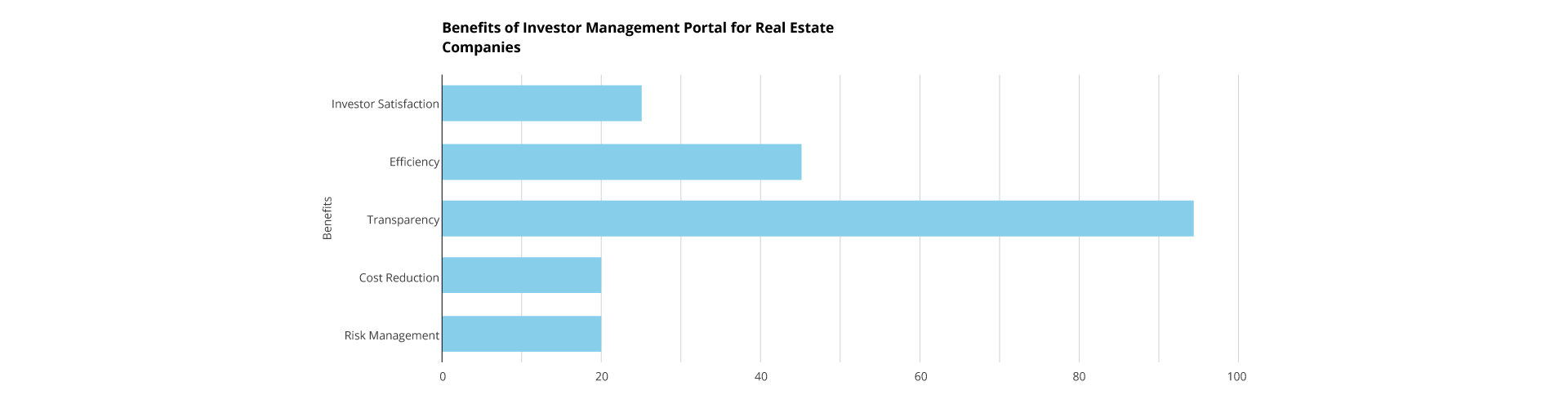
Moving ahead it is especially important to discuss the benefits of switching to a proper portal. With a good investment management and vendor management portal, real estate company along with their investors and vendors can achieve desired goals without any barriers.

While talking about the benefits of selecting an investor portal, the list includes:

  • The portal acts as a single destination for understanding investment positions. Investors can easily and freely access all the reports in one place.
  • The seamless portal makes it easier for investors to communicate. By delivering instant notifications it empowers investor engagement and satisfaction.
  • Using the investor portal, investors can save hours or productivity. It eliminates all the manual tasks by automating the process around financials through self-service access.
  • The real estate investor management portal provides visibility and transparency.


What Should You Look in for a Provider?

Choosing the best real estate software for investors depends on several factors:

  1. Are tools available to match company branding, data infrastructure, and investor profiles out of the box or via configuration?
  2. Can investors easily access dashboards and documents across devices like mobile, tablets, and desktops?
  3. As investor counts and portfolios expand over time, can the platform scale up easily without issues?
  4. What data and access protections like compliance processes are implemented?
  5. Are responsive technical assistance and focused training available if questions arise around management?

The Future of Real Estate Investment Management

As stakeholders expect rich digital experiences and mobile engagement tools now commonplace across sectors, investor portals should continue evolving apace through:

  • Syncing underlying data and documents across other systems like accounting tools, and CRMs. This can help to minimize duplicate data entry.
  • Leveraging machine learning to partially automate administrative tasks around investor materials. Additionally, provides smart notifications alerting to anomalies needing intervention.

The possibilities for enhancing investor oversight efficiencies expand daily. Forward-thinking portals will always strive to simplify management. While fortifying lasting partnerships between property companies and their valued capital partners through state-of-the-art transparency.

FAQ’s

1. What is an Investor Management Portal?

An Investor Management Portal (IMP) is a secure online platform that facilitates communication and collaboration between investment firms and their investors. It allows investors to access account information, portfolio performance data, documents, and other resources 24/7. The portal helps in improving transparency and investor satisfaction.

2. How much does an IMP cost?

The cost of investment management software can vary depending on the features, functionality, and number of users. Some providers offer cloud-based solutions with subscription plans, while others offer on-premises installations with upfront licensing fees.

3. Are there any security concerns with using an IMP?

Security is a top priority for IMP providers. Most solutions use industry-standard security measures. The measures focus on data security and access controls, to protect investor information.

4. How does the investor portal contribute to building productive relationships?

The portal’s emphasis on transparency, easy communication, and timely information sharing contributes to building trust and productive relationships. It creates a collaborative environment that benefits both parties in the long term.

5. What types of documents can investors access through the portal?

Investors can typically access a variety of documents, including property reports, financial statements, legal agreements, and any other relevant documentation related to their investments.

What is Expense report automation ?

Managing business expenses is a complex, time-consuming process. Between collecting receipts, auditing reports, seeking approvals, and reimbursing employees, finance teams sink countless hours into tracking spend. Expense report automation software aims to change that through smart features like mobile receipt capture, automated compliance checks, one-click approvals, and more.

This article explores the value automation brings to expense management – from hard cost savings to freeing up resources for value-added analysis. Read on to learn how leading finance teams leverage automated expense reporting to boost efficiency, visibility, and their bottom line.

What is Expense report automation?

An expense report is a document submitted by an employee to provide details and request reimbursement for legitimate business expenses. Expense reports track spending and help accounting teams manage budgets.

Key Elements

When we talk about the key elements of effective expense reports, includes:

  • Date, merchant name, location, expense category, payment method, and amount for each purchase request
  • Original receipts or scans
  • Business justification explaining the business purpose
  • Employee details like name, department, and reimbursement method

Using a delegated software to automate the manual reporting of the expense makes the process more efficient by extracting data from receipts, enforcing policy compliance, and integrating with accounting systems.

Further moving ahead if we talk about the key elements of automating the process, then the list of benefits includes:

  • Easy report creation with autofill from corporate card data
  • Validation against company expense policy
  • Direct integration with accounting software
  • Status tracking and reminders

Leading automation programs reporting for employees and improving visibility into spending for finance teams.

Why should you automate expense management?

Transitioning from spreadsheet hassles and email approvals to seamless automation delivers tangible rewards, including:

    • Faster Reimbursements

Automated tools process expense reports up to 80% quicker compared to manual approaches. That means no more waiting weeks for check requests and reimbursements. Employees can easily manage out-of-pocket expenses knowing that software expedites repayment into their bank account or next pay check.

    • Reduced Operational Costs

Studies show automating expense reports cuts associated processing costs by over 50% on average. The software eliminates the need for data entry clerks. It also minimizes time wasted by high-salaried approvers fixing out-of-policy claims. Allocating that human capital to strategic initiatives creates real financial impact.

    • Enhanced Visibility & Control

Automated software centralizes spending data companywide, making it easily accessible. Running reports with a few clicks gives leadership visibility into expenses across business units, projects, and more. Uncovering specific cost drivers enables targeted policies and budgets that align spending with financial goals.

    • Improved Compliance & Accountability

Manual reviews sample a fraction of expense transactions, enabling issues to slip through the cracks. Automating 100% of reports provides complete oversight. Software flags any duplicate claims or expenses missing critical backup in real-time during submission. This failsafe approach boosts compliance and streamlines audits.

    • Higher Employee Productivity

Automated mobile apps enable employees to capture business expenses seamlessly while working remotely or onsite. Intuitive tools store receipt images, populate reports automatically, and submit with one tap – no triplicate forms or Excel sheets are required. This simplifies processes for staff and minimizes time spent on administrative tasks.

What are the benefits of expense report automation?

Implementing expense report automation software delivers tangible benefits for organizations and employees. Streamlining the reporting process saves time and unlocks insights while enforcing oversight and accountability.

The key advantages of automating streamlining the reporting of expense include:

    • Increased Efficiency

Automating data extraction, policy compliance checks, approvals routing, and integration with accounting systems dramatically cuts filing time for employees while they report for the expense. Instead of manual data entry and receipt collection, reporters simply snap a photo or forward an e-receipt. Expense report automation technology handles the heavy lifting.

    • Enhanced Visibility

Automated expense reports connect directly to company financial data, giving real-time visibility into cash flow outlays. Dashboards reveal spending by category, department, project, and more while flags highlight outliers or policy violations.

    • Simplified Auditing

Electronic expense trails including itemized receipts along with automatic validation checks simplify auditing. It can be easily verified or referenced long after reimbursement.

    • Better Compliance

Automated validation of travel expense report against company policies during submission reduces mistakes that lead to rejected or adjusted reimbursements. Out-of-policy spending is also easier to identify and address.

    • Higher Employee Satisfaction

By eliminating time-consuming manual reporting, the automation of the process allows employees to focus on value-added tasks. Integrations also mean faster reimbursement after submitting.

The right automation tools pay for themselves through increased efficiencies, insights, oversight, and accountability. Employees and finance teams benefit greatly from automated solutions versus traditional reports.

Keys to good expense automation

Implementing best expense report software can transform a tedious manual process into an efficient driver of productivity and savings. However, achieving the full benefits requires attention in a few key areas:

    • Intuitive Interface

The system’s interface design has a major impact on user adoption across the organization. Prioritize simple, intuitive navigation and reporting workflows that make submission painless for employees.

    • Mobility

Look for automated systems with companion mobile apps that allow reporters to easily capture and submit expenses on the go via their smartphone. This also enables real-time reporting.

    • Custom Rules

The software should empower finance teams to configure custom validation rules aligned with company expense policies. For example, setting per diem rates for meals or mileage.

    • Accounting Integration

The best expense management systems seamlessly integrate business expense report data uploads into your general ledger, accounts payable software, ERP platform, or other accounting systems of record.

Robust reporting dashboards that break down expenditures should be included so you can analyze expenses by category, department, employee, or other variables to inform spending strategies.

Prioritizing these capabilities will help ensure your expense report automation initiative succeeds in both user adoption and ROI. The key is configurable software that both simplifies reporting for employees and gives finance leaders the oversight needed to optimize budgets.

Why automate with Titan Workspace’s expense report automation?

Titan Workspace offers a uniquely cost-effective and integrated expense report automation solution for Microsoft 365 customers looking to transform their manual reporting process.

With Titan Workspace’s automation solution, the user can seek benefits in the following ways:

  • Cost Savings – Unlike other solutions, Titan’s expense automation is included seamlessly within Microsoft 365 and SharePoint at no additional licensing fees.
  • Time Savings – Intuitive workflows, mobile capabilities, receipt parsing, and approvals integration save employees hours when filing expense reports.
  • No-Code/ Low Code Platform: With Titan’s low-code platform, you can spin up and customize an automated expense reporting system in a flash, without lengthy IT projects or coding obstacles
  • Enhanced Transparency – Integrated analytics provide real-time visibility into spending from dashboards segmented by department, category, employee, and more.
  • Boosts Productivity – By cutting time spent on expenses, Titan’s automation enables employees to focus on more strategic tasks while giving managers back time formerly devoted to approvals.

As a truly turnkey add-on to SharePoint and Microsoft 365, Titan Workspace delivers rapid time-to-value and superior user adoption for expense report automation. The result is leaner processes, accountability for spending, and more productive teams.

FAQ’S

What is automated expense reporting?

Automated expense reporting refers to software or systems that automatically gather and organize expense data to generate expense reports.

What is automatic expense tracking?

Automatic expense tracking is a tool or system that gathers information about your spending and categorizes it without requiring you to manually input each transaction.

How do you process an expense report?

To process an expense report, employees submit reports detailing business expenses they incurred, providing supporting documentation

What is a daily expense tracker?

A daily expense tracker is a simple table, spreadsheet, or journal page where individuals manually record day-to-day expenses on a granular level.

Transforming Real Estate Vendor Management with Office 365 Guest User Portal

Managing vendor relationships is a pivotal yet time-consuming task for real estate companies. From appraisers to home inspectors to cleaning crews, real estate agents must collaborate with and oversee numerous third-party partners. However, agents are already stretched thin handling client communications, paperwork, listings, open houses, and transactions.

Moreover, when it comes about the M365 users then implementing a centralized guest user portal specifically for vendor management can greatly simplify these administrative burdens. This allows real estate professionals to focus on higher-value activities while still maintaining oversight of vendor partnerships.

This article will explore best practices for leveraging a guest portal to optimize vendor relationships as part of a property management strategy.

Transformative Vendor Access Strategies for Real Estate Preservation

According to a recent report by ATTOM, approximately 1.4 million residential properties in the United States were vacant in the first quarter of 2022.

The same report indicates a 3% increase in residential properties in the process of foreclosure from Q4 of 2021, and a substantial 31% increase from one year ago. To address this issue and safeguard these homes from elements and damages, property preservation and real estate vendor management services play a crucial role, contributing to the overall safety of neighbourhoods.

In establishing partnerships for real estate vendor management, the focus is on protecting properties, avoiding violations, and minimizing costly repairs. These services not only assist servicers and investors but also foster the growth of local and regional property preservation companies responsible for maintaining these assets. ServiceLink Field Services Vendor Management adopts a partnership-first approach, with dedicated market managers and directors supporting local and regional efforts on the ground. This philosophy ensures mutual success and accountability for both ServiceLink Field Services and its vendors.

Scotese, Vice President of the Field Services Vendor Management Office for ServiceLink, emphasizes the shift to a more proactive management approach for vendors. Initially centred on order management and efficient completion of outstanding work to meet client timelines, the vendor management teams now take ownership of issues and concerns. The goal is to address feedback from the field, resolving problems promptly and avoiding vendor frustration. This change reflects a commitment to positive relationships and effective issue resolution.

Defining Goals and Strategy

The first component in the vendor management process is developing a strategy that maps to organizational objectives while meeting stakeholder needs. This means identifying internal real estate personnel who interface with vendors to understand pain points. Translate those requirements into criteria for selecting vendor partners – tracking metrics like service capabilities, pricing, and operational transparency.

Additionally, classify vendor relationships into categories like arms-length versus strategic partnerships based on level of importance. Use this vendor relationship model to inform oversight processes. With a sound external access strategy in place, you can build alignments between vendors and business goals.

Software Tools for Managing Real Estate Vendors

Once a vendor strategy is set, adopt user-friendly software that centralizes vendor data and documents to facilitate simpler management. The right real estate guest user access software includes these core features:

  • Centralized vendor profiles with capabilities, documents, licenses, certificates etc.
  • Communication portals for direct messaging with vendors.
  • Repository for storing/sharing paperwork digitally.
  • Task assignments to vendors and tracking.
  • Performance dashboards and benchmark reporting.

Robust platforms provide complete visibility over vendor activities so you can pinpoint inefficiencies and make data-driven decisions when nurturing vendor relationships. They enable best practices for real estate managing vendor without endless spreadsheets or manual oversight.

Vendor Contract Management

Vendor contracts formalize the engagement between both parties and mitigate risk exposure. Well-crafted real estate vendor contracts outline:

  • Clearly delineated scope of services aligning capabilities to needs.
  • Specific pricing models and payment processes.
  • Communication protocols and frequency.
  • Compliance standards for security, quality, ethics.
  • Service level agreements (SLAs) with performance targets & metrics.
  • Contingency plans for dispute resolution.

Store all active and archived vendor contracts within the management software for easy access when issues arise.

Streamlined Communication

A guest portal enables centralized and trackable communications between vendors and agents. Typical phone tag and email chains waste countless hours. Instead, agents can send messages, task lists, documents, and other information directly through the platform.

The portal may also allow vendors to communicate updates like completed work orders or inspection reports. As a result, details don’t get lost over email and are automatically attached to the associated property and vendor profile.

Document Repository

A guest user portal centralizes all vendor documentation in a cloud-based, mobile-accessible repository. Digitizing these documents makes them easily shareable with other agents and leadership while eliminating paperwork. Agents can also set reminders for renewing time-sensitive items like licenses or insurances.

Performance Management

Consistently monitoring vendor deliverables against targets ensures you receive services as stipulated in contracts. Typical oversight actions include:

  • Audit completed work orders against stated timelines.
  • Review analytics for delays, common defects etc.
  • Track service locations served over time.
  • Gather feedback through online ratings/reviews.
  • Schedule performance evaluations every quarter.

When deficiencies occur, enforce corrective actions through warnings, fines, probation or termination if unresolved. Holding vendors accountable to commitments preserves quality assurance and performance standards over longer-term engagements.

Summarizing Key Takeaways

As real estate deals grow increasingly complex, effectively partnering with reliable vendors through air-tight management practices is no longer optional – it’s a strategic imperative. Following these vendor management best practices using integrated software technology can help real estate leaders reduce risks, maximize savings, and focus on their core business goals.

So, in summary, a comprehensive guest user portal process requires:

  • Defining vendor strategy aligned to company objectives.
  • Acquiring user-friendly management software.
  • Establishing stringent vendor contracts.
  • Monitoring performance through robust tracking.

With the right focus and infrastructure, your real estate business can optimize value from vendor relationships long into the future. Reach out for custom guidance on implementing your vendor management system.


Conclusion

In real estate, effectively collaborating with reliable, high-performing vendors is imperative for smooth transactions and pleasing clients. However, coordinating and overseeing vendor relationships pulls valuable time away from an agent’s revenue-generating activities.

Implementing a properly equipped guest user portal helps optimize the vendor management process so agents can get back to what matters most. Centralized profiles, seamless communication, document digitization, and performance tracking provide immense oversight without excessive administrative work.

As competition increases across the real estate landscape, leveraging technology-based infrastructure like a guest portal delivers a distinct competitive advantage. Vendor relationships can shift from role confusion and frustration to aligned accountability. This allows real estate professionals to deliver exceptional client experiences powered by reliable partnerships.

FAQ’s

1. Can I upload documents and files through the Guest User Portal?

Yes, most portals allow you to upload documents such as invoices, contracts, and project deliverables.

2. Can I track the status of my invoices and payments through the Guest User Portal?

Yes, many portals provide real-time visibility into invoice status, payment history, and other financial information.

3. Can I communicate with the real estate company and other vendors through the Guest User Portal?

Some portals offer built-in messaging or communication tools, while others may rely on email or phone calls for communication.

4. What are the benefits of using a Guest User Portal for Vendor Management?

Guest User Portals in Vendor Management bring real estate companies a wealth of benefits: streamlined communication with vendors, faster document sharing and approvals, increased transparency, and accountability, and even reduced administrative costs.

7 Advantages of a Multicultural Workplace


The world is becoming increasingly interconnected, and multiculturalism is becoming more important than ever before. Multiculturalism, as studied in AP Human Geography, refers to the coexistence of different cultures within a society. It is a concept that recognizes the importance of diversity and promotes the idea that different cultures can exist together in harmony. A multicultural workplace is a great example of the benefits of multiculturalism. In this article, we will explore the importance and benefits of multiculturalism, as well as the advantages of a multicultural workplace.

Why is Multiculturalism Important?

Multiculturalism is important for several reasons. First, it promotes cultural diversity, which has many benefits. Cultural diversity can lead to a broader range of ideas and experiences, which can help people to learn and grow. It can also help to create a more tolerant and inclusive society, where people from all backgrounds feel valued and respected.

Second, multiculturalism can lead to a better understanding of different cultures. When people of different backgrounds work together, they can learn from each other and gain a greater appreciation of each other’s traditions and beliefs. This understanding can lead to greater tolerance and respect for other cultures.

Third, multiculturalism can promote creativity and innovation. When people from different cultures come together, they bring their unique perspectives and ideas to the table, leading to more creative solutions to problems.

Finally, multiculturalism can help to address social inequalities. It can provide opportunities for people from different backgrounds to work together and learn from each other, which can help to break down barriers and promote equality.

Benefits of Multiculturalism

  1. Increased Creativity and Innovation

    A multicultural workplace brings together different perspectives, experiences, and ideas. This diversity can lead to more creative and innovative solutions to problems and challenges. Employees from different backgrounds can offer unique insights and approaches to projects that may not have been considered otherwise. A study by McKinsey found that companies with diverse workforces are more likely to outperform their less diverse counterparts in terms of innovation.


  2. Improved Communication and Language Skills

    Working in a multicultural environment helps employees improve their communication and language skills. They learn to communicate effectively with people from different cultures and languages, which can be a valuable skill in today’s global business world. This can also help to prevent misunderstandings and conflicts that can arise from cultural differences. Learn more about Intranet vs Internet vs Extranet: What’s the Difference?


  3. Better Understanding of Different Cultures

    A multicultural workplace can help employees develop a better understanding of different cultures. This understanding can lead to more tolerance, respect, and empathy for others. It can also help prevent misunderstandings and conflicts that can arise from cultural differences. This can be especially important in today’s global business world, where companies often work with people from different parts of the world.


  4. Increased Productivity

    A diverse workforce can lead to increased productivity. When employees feel valued and included, they are more likely to be engaged and motivated to work. This can lead to better performance and higher productivity. A study by Deloitte found that inclusive teams are 80% more likely to achieve better business outcomes. Learn also about Collaboration Challenges in Workplace


  5. Broader Customer Base

    A multicultural workplace can help a company appeal to a broader customer base. When a company’s workforce reflects its customer base, it can help build trust and credibility with customers. It can also lead to new business opportunities in different markets. For example, a company that has employees who are fluent in different languages can better serve customers who speak those languages.


  6. Better Decision-Making

    A multicultural workplace can lead to better decision-making. When employees from different backgrounds and perspectives come together to solve problems, they are more likely to consider all options and make informed decisions. This can lead to better outcomes.


  7. Improved Company Reputation

    A company that values diversity and promotes a multicultural workplace can improve its reputation. It can attract top talent and customers who value diversity and inclusion. It can also help create a positive brand image that can lead to increased loyalty and trust.

    Know More Benefits: https://titanworkspace.com/digital-workplace-strategy-guide-business-benefits/

Conclusion

In conclusion, a multicultural workplace has many advantages for both employees and companies. It can lead to increased creativity, improved communication and language skills, better understanding of different cultures, increased productivity, broader customer base, better decision-making, and improved company reputation. Companies that value diversity and promote a multicultural workplace can reap the benefits of a diverse and inclusive workforce.

Learn More about: Uses & Applications of an Intranet and How Employees Can Benefit from Intranet Networks with Examples

Learn How Your Employees Can Benefit from Intranet Networks with Examples

In today’s digital age, businesses are looking for more efficient ways to manage their internal operations. One tool that has gained popularity in recent years is the employee intranet. In this blog, we’ll explore what an employee intranet is, how employees can benefit from it, and provide some examples of company intranet networks.

What is an Employee Intranet?

An employee intranet is a private network designed for use by employees of an organization. It is a secure and centralized platform that allows employees to access information, collaborate with colleagues, and communicate with management. An employee intranet is accessible only to those within the organization, providing a high level of security and control.

An employee intranet can be used for a variety of purposes, including:

  1. Communication: An employee intranet can be used for internal communications, such as company announcements, news, and updates. It can also provide a platform for employees to communicate with each other, share ideas, and collaborate on projects.
  2. Document Management: An employee intranet can provide a central location for document storage and management. This can help to ensure that all employees have access to the latest versions of documents, reducing the risk of errors and confusion.
  3. Training: An employee intranet can be used to provide training materials and resources for employees. This can help to ensure that all employees have access to the same information, reducing knowledge gaps and increasing efficiency.
  4. Performance Management: An employee intranet can be used for performance management purposes, such as tracking goals, providing feedback, and conducting performance reviews.

Benefits of an Employee Intranet

An employee intranet can provide many benefits for businesses and their employees, including:

  1. Increased Efficiency: An employee intranet can streamline internal processes and reduce the time and effort required to complete tasks. With centralized access to information and resources, employees can work more efficiently and effectively.
  2. Improved Communication: An employee intranet can improve communication and collaboration within the organization, reducing misunderstandings and errors. By providing a platform for employees to communicate and collaborate, an employee intranet can foster a culture of transparency and teamwork.
  3. Enhanced Knowledge Management: An employee intranet can be used to manage and share knowledge within the organization, improving decision-making and problem-solving. By providing access to training materials, resources, and best practices, an employee intranet can help to ensure that all employees have the knowledge and skills they need to succeed.
  4. Better Employee Engagement: An employee intranet can improve employee engagement by providing access to training resources, performance management tools, and other benefits. By providing employees with the resources, they need to succeed, an employee intranet can help to build a more engaged and motivated workforce.

According to a study by McKinsey & Company, effective communication and collaboration can improve productivity by up to 25%. An employee intranet can help facilitate communication and collaboration among employees, leading to increased productivity.

How Employees Can Utilize an Intranet Network

Employees can utilize an intranet network in a variety of ways, depending on their role within the organization. Here are some examples:

  1. Access to Information: An employee intranet can provide employees with access to important information, such as company policies, procedures, and guidelines. This can help to ensure that employees have a clear understanding of their roles and responsibilities and can improve compliance with company policies.
  2. Collaboration: An employee intranet can provide a platform for employees to collaborate on projects, share ideas, and communicate with each other. This can help to break down silos within the organization and foster a culture of teamwork.
  3. Training: An employee intranet can provide access to training materials and resources, allowing employees to improve their skills and knowledge. This can help employees to be more productive and effective in their roles.
  4. Performance Management: An employee intranet can be used for performance management purposes, such as tracking goals, providing feedback, and conducting performance reviews. This can help to ensure that employees are meeting their objectives and can provide opportunities for professional development.
  5. Employee Engagement: An employee intranet can provide a range of benefits and resources that can improve employee engagement. For example, an employee intranet can provide access to employee benefits, company news and updates, and social events.

A survey conducted by TalentLMS found that 74% of employees feel they aren’t achieving their full potential due to a lack of access to learning opportunities. An employee intranet can provide access to training materials and resources, helping employees to develop new skills and achieve their full potential.

In terms of employee engagement, a Gallup survey found that only 33% of employees in the US are engaged at work. An employee intranet can help improve employee engagement by providing a platform for communication, collaboration, and access to resources that can help employees feel more connected to the organization.

Finally, a study by the Society for Human Resource Management (SHRM) found that organizations with effective performance management processes are 41% more likely to outperform their peers. An employee intranet can be used for performance management purposes, allowing organizations to track goals, provide feedback, and conduct performance reviews, all of which can lead to improved performance and better outcomes for the organization. Also read about the The B2B SaaS Industry

Conclusion

In summary, an employee intranet is a private network designed for use by employees of an organization. It provides a range of benefits, including increased efficiency, improved communication, enhanced knowledge management, and better employee engagement. By providing employees with the resources, they need to succeed, an employee intranet can help to build a more engaged and motivated workforce.

There are many examples of company intranet networks in action, including Coca-Cola, IBM, Microsoft, and Nestle. These companies have all implemented employee intranet networks to improve their internal operations and support their employees.

Overall, an employee intranet is a valuable tool for any organization looking to improve their internal operations and support their employees. Whether it’s for communication, document management, training, or performance management purposes, an employee intranet can provide a centralized platform that can help to streamline processes and improve efficiency.

Learn More about: Corporate Intranets Are Still Relevant for Employee Collaboration and Efficient Real Estate Document Management

The B2B SaaS Industry: Current Trends and Challenges

The B2B SaaS industry is rapidly growing, with businesses of all sizes adopting cloud-based software solutions to streamline their operations and increase their efficiency. As a skilled tech content writer, I can provide valuable insights into this exciting field. In this content piece, I will explore the current state of the B2B SaaS industry, discuss its benefits and challenges, and provide tips for businesses looking to adopt these solutions.

Current State of the B2B SaaS Industry

The B2B SaaS industry is experiencing unprecedented growth, with the global market expected to reach $307 billion by 2026. This growth is fuelled by the increasing demand for cloud-based software solutions that enable businesses to operate more efficiently and cost-effectively.

The B2B SaaS industry encompasses a wide range of solutions, including CRM (Customer Relationship Management), HR (Human Resources), ERP (Enterprise Resource Planning), and project management software. These solutions are designed to help businesses automate and streamline their operations, improve collaboration, and increase productivity.

Current Trends in the B2B SaaS Industry:

  1. Artificial Intelligence (AI) and Machine Learning (ML) – AI and ML have been game-changers in the B2B SaaS industry, providing businesses with advanced data analysis tools that can help them make better decisions. AI and ML can be used to automate routine tasks, identify patterns, and gain insights into customer behaviour. Many B2B SaaS companies are investing heavily in these technologies to provide more intelligent and predictive solutions to their clients.
  2. Collaboration and Communication Tools – As remote work becomes increasingly prevalent, collaboration and communication tools have become essential for businesses. B2B SaaS companies that provide tools for remote work such as video conferencing, project management, and team collaboration software are seeing rapid growth.
  3. Customization and Personalization – With the rise of cloud-based software solutions, B2B SaaS companies are focusing on providing customized and personalized services to their clients. This includes everything from customizing software interfaces to creating tailored solutions that meet specific business needs.
  4. Data Security and Privacy – As more businesses move their operations to the cloud, data security and privacy have become major concerns. B2B SaaS companies are investing in advanced security measures to protect their clients’ data, such as encryption, multi-factor authentication, and data backups.

Benefits of B2B SaaS Solutions

B2B SaaS solutions offer a wide range of benefits to businesses, including:

  1. Cost savings: Adopting cloud-based software solutions can significantly reduce a business’s IT costs. By moving their operations to the cloud, businesses can avoid the expense of purchasing and maintaining on-premises hardware and software.
  2. Scalability: B2B SaaS solutions are highly scalable, which means that businesses can easily add or remove users as their needs change. This can help businesses to avoid the expense and complexity of managing their own IT infrastructure.
  3. Flexibility: B2B SaaS solutions can be accessed from anywhere with an internet connection, which enables remote work and collaboration. This flexibility is particularly valuable in today’s business environment, where remote work is becoming increasingly common.
  4. Improved productivity: B2B SaaS solutions are designed to automate and streamline business processes, which can help to improve productivity and reduce the time and resources required to complete tasks.

Challenges of Adopting B2B SaaS Solutions

While there are many benefits to adopting B2B SaaS solutions, there are also significant challenges that businesses must overcome. These challenges include:

  1. Complexity: Many B2B SaaS solutions are highly specialized and require a significant investment of time and resources to implement effectively. This complexity can make it difficult for businesses to adopt these solutions, particularly if they lack the necessary technical expertise.
  2. Integration: Businesses must ensure that their B2B SaaS solutions integrate seamlessly with their existing tools and systems. This can be challenging, particularly if the business has a complex IT infrastructure.
  3. Data security: As businesses move more of their operations to the cloud, data security becomes increasingly important. Businesses must ensure that their B2B SaaS solutions have robust security features, such as encryption and multi-factor authentication, to protect their sensitive data.
  4. Employee training: B2B SaaS solutions can be complex, and businesses must provide their employees with adequate training to ensure that they can use these tools effectively. This can be time-consuming and expensive, particularly for businesses with large workforces.
  5. ROI measurement: Businesses must measure the ROI of their B2B SaaS solutions to ensure that they are delivering the expected benefits. This can be challenging, particularly if the business lacks the necessary data analytics tools.

Tips for Businesses Adopting B2B SaaS Solutions

Despite the challenges, adopting B2B SaaS solutions can have a significant impact on a business’s bottom line. Here are some tips for businesses looking to adopt these solutions:

  1. Conduct thorough research: Before selecting a B2B SaaS solution, businesses should conduct thorough research to understand their needs and identify, reading reviews and case studies, and attending industry events.
  2. Evaluate the cost: While cost savings is one of the key benefits of B2B SaaS solutions, businesses should carefully evaluate the total cost of ownership. This includes the cost of the solution itself, as well as any training, integration, and support costs.
  3. Consider the user experience: The user experience is a critical factor in the adoption and success of a B2B SaaS solution. Businesses should ensure that the solution is easy to use and meets the needs of their employees.
  4. Plan for integration: Businesses should plan for the integration of their B2B SaaS solution with their existing tools and systems. This may involve working with a consultant or IT partner to ensure a seamless integration.
  5. Focus on data security: Businesses should prioritize data security when selecting a B2B SaaS solution. They should look for solutions that offer robust security features, such as encryption and multi-factor authentication.
  6. Provide employee training: Employee training is critical to the adoption and success of a B2B SaaS solution. Businesses should provide their employees with adequate training and support to ensure that they can use the solution effectively.
  7. Measure ROI: Businesses should measure the ROI of their B2B SaaS solution to ensure that it is delivering the expected benefits. This may involve tracking metrics such as productivity, cost savings, and customer satisfaction.

Conclusion

The B2B SaaS industry is rapidly growing, with businesses of all sizes adopting cloud-based software solutions to streamline their operations and increase their efficiency. While there are significant benefits to adopting these solutions, there are also significant challenges that businesses must overcome.

By conducting thorough research, evaluating the total cost of ownership, focusing on data security, and providing employee training, businesses can successfully adopt and leverage B2B SaaS solutions to drive growth and success.

Learn More about: Workflow Automation for Enterprise and Microsoft Team Task Management